Certified Pre-Owned vs Used: Key Differences for Texas Drivers
Posted Thursday, Apr 09, 2026
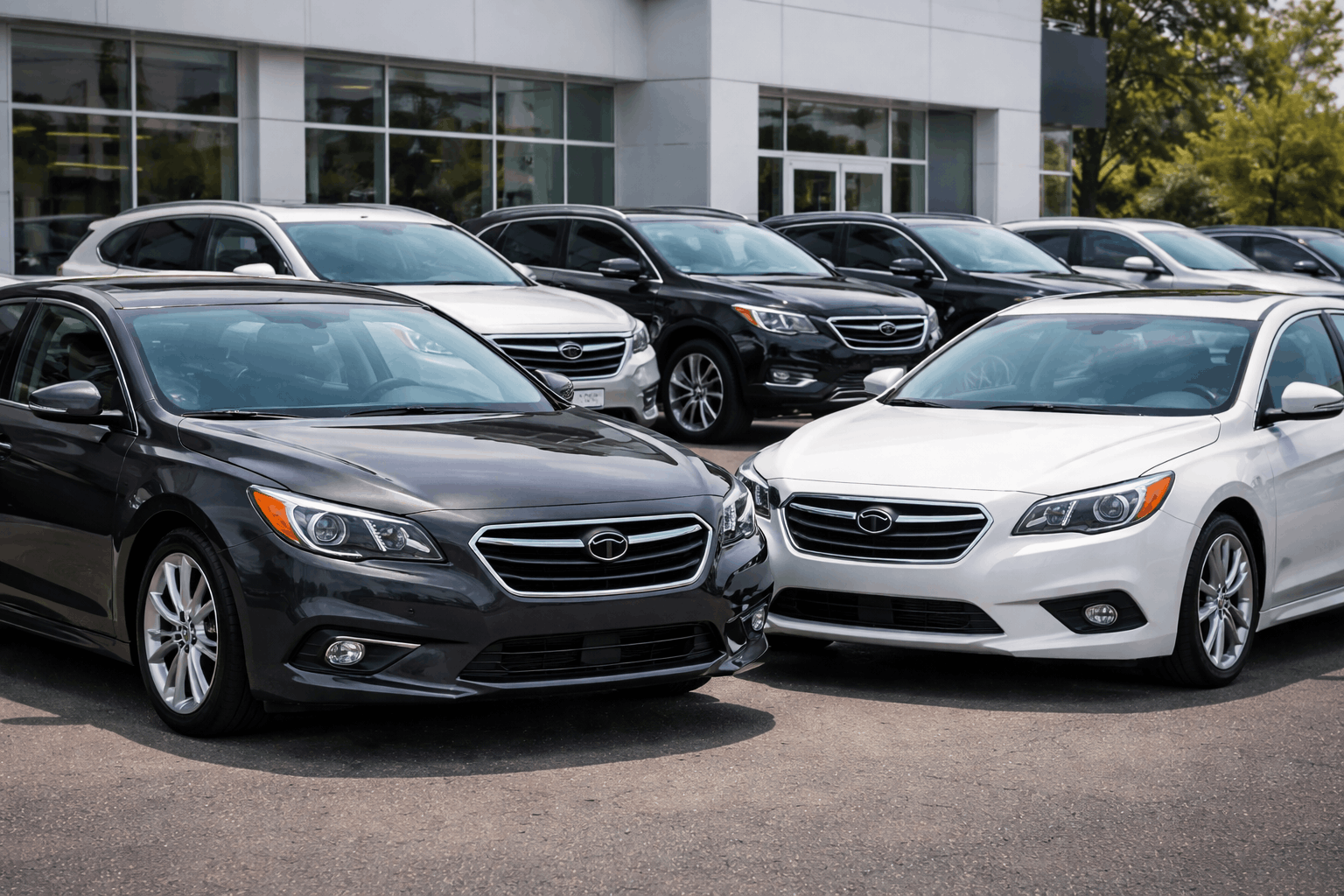
Choosing between a certified pre-owned vehicle and a standard used car is one of the biggest decisions Texas drivers face when buying a car. Whether you're buying a used car to save money or considering a cpo vehicle for added warranty coverage and peace of mind, understanding the difference between used and certified pre-owned vehicles helps you make a smarter choice. This guide breaks down certified pre-owned vs used and answers the most common questions shoppers have about inspections, warranties, vehicle history, and financing.
What is a certified pre-owned vehicle, and how does it differ from a regular used vehicle?
A certified pre-owned car is a used vehicle that has gone through a manufacturer-backed cpo program or dealership certification process. Certified pre-owned programs typically include a thorough inspection process, repair to factory standards, and a certified pre-owned vehicle warranty or extended warranties beyond any remaining factory warranty. The difference between certified and regular used is mainly the level of inspection and the presence of warranty coverage.
In contrast, a standard used vehicle or regular used car usually sells "as-is" from used car dealers or independent sellers. Standard used cars may have a vehicle history report, but they rarely include the same warranty coverage, roadside assistance, or factory-backed benefits that a cpo vehicle offers. Buyers comparing certified pre owned and used should weigh the extra cost of a cpo against the long-term benefits like peace of mind and lower risk of unexpected repairs.
Why should Texas drivers consider buying a certified pre-owned car?
Texas drivers often rack up highway mileage and need reliable transportation through seasonal heat and long commutes. Buying a certified pre-owned vehicle can provide peace of mind because cpo vehicles usually include warranty coverage, roadside assistance, and a thorough inspection process that checks for issues common in used models. If you're worried about buying a used car with undisclosed problems, a cpo car reduces risk by verifying vehicle history and inspecting mechanical and cosmetic conditions.
CPO vehicles are especially attractive if you want the balance of a lower price than a new car but better protection than a traditional used car. Certified pre-owned vs used comparisons often highlight that certified models come with extended warranties or remaining factory warranty, which can make them worth the extra upfront cost for drivers who plan to keep the vehicle for several years.
How comprehensive is the inspection process for certified pre-owned vs used vehicles?
Certified pre-owned programs typically require a multi-point inspection — often 100+ points — performed by factory-trained technicians. The inspection process for a cpo vehicle evaluates engine components, transmission, brakes, suspension, electrical systems, and more, ensuring the vehicle meets the manufacturer's standards. This thorough inspection helps confirm the difference between certified pre-owned and standard used models by catching issues a regular used car inspection might miss.
By contrast, a regularly used vehicle from a private seller or noncertified dealership may receive a more limited inspection or none at all. Buyers of standard used cars should always request a vehicle history report and consider a pre-purchase inspection by an independent mechanic to reduce the risks associated with noncertified used vehicles. Understanding the inspection process is a key part of understanding the differences between used and certified pre-owned vehicles.
Are certified pre-owned vehicles worth the extra cost compared to regular used cars?
Whether a certified pre-owned model is worth the extra cost depends on your priorities. If peace of mind, warranty coverage, and roadside assistance are important, paying more for a CPO vehicle can be a smart investment. Certified pre-owned cars tend to a have lower risk of immediate repairs and often include benefits like extended warranties, complimentary maintenance, or special financing offers that offset part of the cost difference.
If budget is the primary concern and you are comfortable managing potential repairs or buying third-party warranties, a standard used car may provide more value. Use resources like Kelley Blue Book to compare pricing between used and certified pre-owned models and calculate long-term ownership costs, including maintenance, insurance, and potential repair expenses.
How does warranty coverage differ between certified pre-owned vs used cars?
A key difference between certified pre-owned and used cars is warranty coverage. CPO vehicles commonly come with a certified pre-owned vehicle warranty that extends coverage beyond the original factory warranty or provides a separate manufacturer-backed warranty. These warranties often include powertrain protection, bumper-to-bumper components, and added perks like roadside assistance or rental car reimbursement.
Standard used cars rarely include comprehensive warranty coverage unless you purchase an aftermarket or dealer-offered extended warranty. Buyers should evaluate warranty coverage, length, deductibles, and what components are included. When buying a certified pre-owned, inspect the warranty documentation to understand warranty coverage and whether the cpo program includes perks like roadside assistance or free maintenance.
How important is a vehicle history report when comparing used and certified pre-owned vehicles?
A vehicle history report is crucial whether you're buying cpo or a regular used car. Certified pre-owned vehicles usually come with a detailed vehicle history report showing previous owner records, accident history, service records, and mileage verification. This transparency helps buyers trust the cpo vehicle's condition and the inspection process used to certify it.
For standard used cars, requesting a vehicle history report is equally important because it informs you about past accidents, title issues, odometer discrepancies, and previous owner counts. A clean vehicle history report paired with a thorough inspection reduces the risk of buying a lemon, but it does not replace the benefits of certified pre-owned programs that include warranty protection.
How does mileage and previous owner history affect the choice between used and certified pre-owned?
Mileage and previous owner history are major factors in choosing between used and cpo vehicles. Certified pre-owned programs usually have mileage and age limits for eligibility; many cpo programs require lower mileage and restrict the number of previous owners. A cpo car with verified mileage and a single previous owner is often more desirable because it increases trust in the vehicle's condition and longevity.
High-mileage used models may still be a good value, but they typically come with increased risk and potential for costly repairs. When buying a used car with higher mileage, consider extended warranties or a detailed inspection to understand future maintenance needs. The difference between used and certified often centers on mileage thresholds and how strictly they’re enforced by the cpo program.
Can you get better financing or incentives when buying a certified pre-owned vehicle?
Yes, many manufacturers and dealerships offer special used car finance programs for certified pre-owned vehicles. Buying a cpo often qualifies you for lower interest rates or manufacturer-backed financing deals not available for standard used cars. These incentives can narrow the price gap between a new car and a certified pre-owned model, making buying cpo an attractive option for budget-conscious buyers who want warranty protection.
Standard used car loans typically have higher interest rates through banks or credit unions. When comparing financing, get quotes for both used and certified pre-owned options to see how monthly payments, interest rates, and loan terms differ. A lower APR for a cpo vehicle can make the certified pre-owned vs used decision tilt in favor of certified, especially for buyers financing their purchase.
What should you inspect or test drive when choosing between used and certified pre-owned?
Whether considering a cpo car or a standard used vehicle, a test drive and hands-on inspection are essential. During a test drive, focus on engine performance, transmission shifts, brake response, steering alignment, and any unusual noises. For certified pre-owned vehicles, confirm that the inspection checklist was completed and ask to review the inspection report and vehicle history report.
For regular used cars, bring a checklist or hire an independent mechanic to perform a pre-purchase inspection. Key items to inspect include tire wear, fluid leaks, interior electronics, air conditioning performance, and evidence of previous collision repairs. These steps help buyers understand the condition of the used or certified pre-owned model before making a final decision.
How do I decide whether to buy a certified pre-owned vehicle or a standard used car?
Deciding whether to buy a certified pre-owned or a standard used car depends on your budget, risk tolerance, and long-term plans. Ask yourself: Do you value extended warranties and a thorough inspection enough to pay extra? Are you comfortable managing potential repair costs if you choose a used vehicle? Weigh the benefits of cpo programs—warranty coverage, roadside assistance, inspected condition—against the lower purchase price of a noncertified used model.
Create a decision checklist: compare prices using Kelley Blue Book, review vehicle history reports, check mileage and previous owner counts, evaluate warranty coverage, and compare financing options. If you want the peace of mind that comes with a certified pre-owned and lower risk of unexpected repair bills, buying a certified pre-owned vehicle could be the better choice. If you prefer to minimize upfront cost and can accept potential maintenance, a standard used car may suit you better.
Where should Texas drivers look to search vehicles and find trustworthy used car dealers?
Texas drivers should search vehicles at reputable dealerships and used car dealers who offer transparency, vehicle history reports, and clear certification documentation. Look for dealerships with positive reviews, clear warranty details, and a strong CPO program if you’re considering certified pre-owned options. Many used car dealerships in Texas list used cars for sale online with full inspection reports and financing options to streamline the buying process.
For local buyers, visiting a trusted used car dealership to test drive and inspect vehicles in person is invaluable. When comparing used cars vs certified pre-owned, check dealer inventories for certified pre owned models, review warranty offerings, and ask about used car finance rates. Visiting a local dealer gives you access to in-person support, negotiation, and immediate answers about the difference between used and certified models.
Conclusion:
Understanding the key differences between certified pre-owned and standard used vehicles helps Texas drivers make a confident decision. Certified pre-owned vehicles offer a thorough inspection, certified pre-owned vehicle warranty, roadside assistance, and often better financing options, making them a solid middle ground between new and traditional used cars. Regularly used cars can save money upfront but usually lack extended warranties and manufacturer-backed assurances.
Ultimately, the better choice depends on your budget, mileage needs, and risk tolerance. If peace of mind, warranty coverage, and a verified vehicle history report are priorities, buy a certified pre-owned vehicle. If minimizing purchase price is most important and you’re comfortable with potential repair costs, a standard used car may be the right fit.
For Texas drivers ready to search vehicles and explore both certified pre-owned and used models, consider visiting Fourth Lane Auto, a Used Car Dealership in Terrell, TX. Whether you’re comparing used cars for sale, seeking trusted used car dealers, or exploring used car finance options, Fourth Lane Auto can help you find the right balance between cost, coverage, and condition when buying a car.
Frequently Asked Questions:
1Q. What is the main difference between used cars and certified pre-owned (CPO)?
Ans: Used cars are sold as-is with varying histories; CPO vehicles are inspected, refurbished, and come with a manufacturer-backed warranty and vehicle history report.
2Q. Are CPO cars worth the higher price for Texas drivers?
Ans: Often yes if you want added peace of mind and warranty coverage, especially for long drives and extreme Texas weather; but budget buyers may prefer non-certified used cars for lower upfront cost.
3Q. How do warranties and repairs compare in Texas?
Ans: CPOs typically include extended manufacturer warranties and roadside assistance; used cars rely on remaining factory warranty or out-of-pocket repairs unless you purchase an aftermarket warranty.
4Q. What should Texas buyers check before choosing?
Ans: Verify vehicle history, inspection records, warranty details, and check for flood or hail damage—common issues in Texas—regardless of CPO status.