Tips for First-Time Car Buyers: How to Secure Auto Loans Easily
Posted Monday, Nov 10, 2025
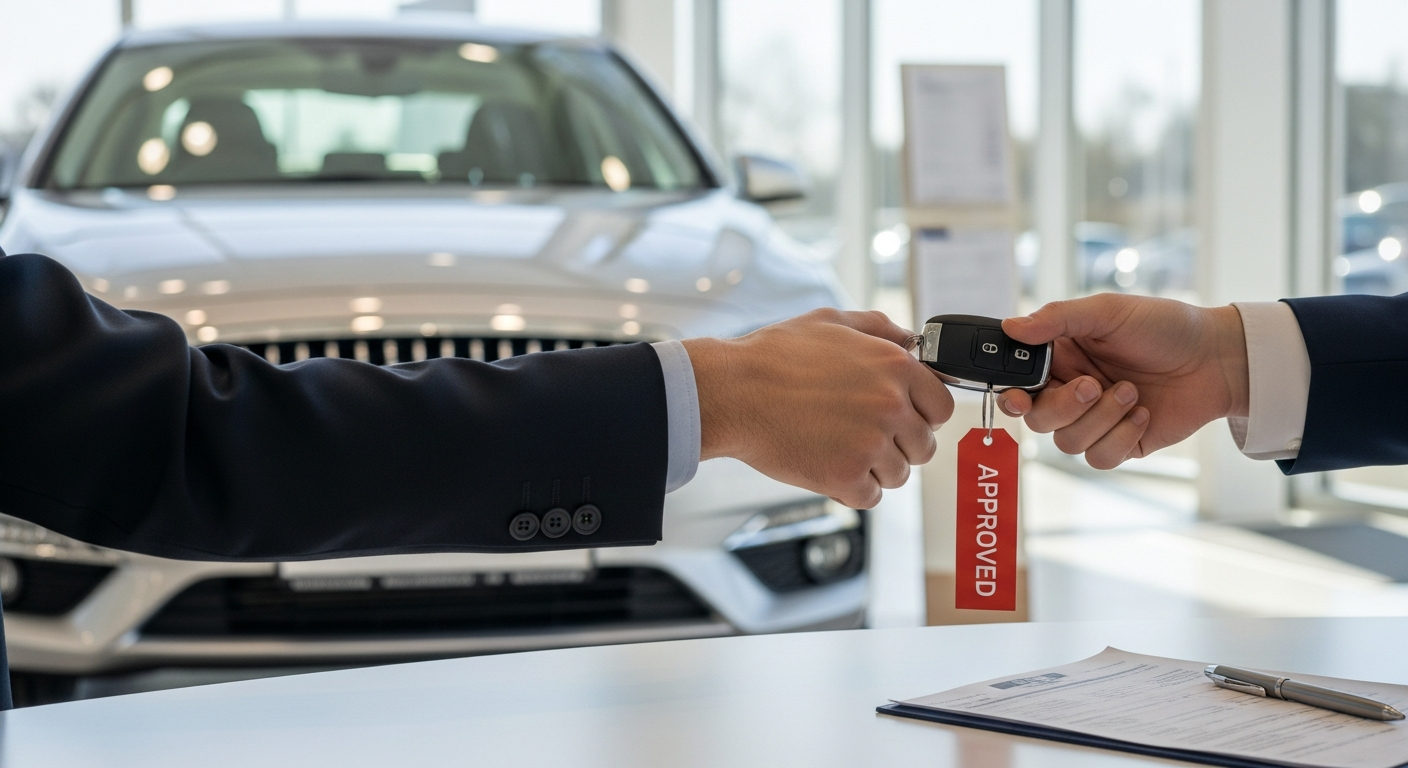
Purchasing your first car is an exciting achievement, though it can feel a bit overwhelming. Understanding how to secure auto loans easily is crucial for first-time car buyers to ensure they make informed decisions. This guide will provide you with essential tips and insights to navigate the car buying process, from understanding credit scores to exploring financing options.
What Should First-Time Car Buyers Know About Auto Loans?
First-time car buyers must understand that an auto loan is a financial agreement that allows you to borrow money to purchase a vehicle. Knowing the basics of auto loans can set you on the right path to car ownership. A car loan typically involves a lender providing you with a loan amount that you will repay over a specified loan term, along with interest.
As you prepare to buy a car, consider your budget and how much you can afford for a monthly payment. This amount will depend on factors like your credit history and the car's price. If you're looking for lower monthly payments, you might opt for a longer loan term, but keep in mind that this could result in paying more in interest over the life of the loan.
How Does Your Credit Score Affect Your Loan Approval?
Your credit score plays a significant role in determining your eligibility for an auto loan. Lenders use your credit score to assess your risk as a borrower. A higher credit score typically qualifies you for better loan terms, including lower interest rates and larger loan amounts. If you have good credit, you're more likely to secure a favorable loan offer.
On the other hand, if you have little or no credit history, you may face challenges in getting approved for a loan. In such cases, consider working with a credit union, as they often offer first-time car buyer programs that cater to individuals with limited credit histories.
What Are the Best Financing Options for First-Time Buyers?
First-time car buyers have several financing options available. You can choose to finance through a dealership, a bank, or a credit union. Each option has its advantages. Dealership financing may provide convenience, while banks and credit unions often offer competitive interest rates and terms.
When exploring financing options, compare loan offers from different lenders. Look for the best auto loan rates and terms that fit your financial situation. Don’t hesitate to negotiate with lenders to secure better loan terms, especially if you have a good credit score.
What Should You Consider When Choosing a Loan Term?
The loan term is the duration over which you'll repay your auto loan. Typical loan terms span from three to seven years. A shorter loan term usually means higher monthly payments but less interest paid over the life of the loan. Conversely, a longer loan term can lead to lower monthly payments, but you may end up paying more in total interest.
When deciding on a loan term, consider your budget and financial goals. If you want to minimize your total cost of the loan, a shorter loan term might be the better option. However, if you need more flexibility in your monthly budget, a longer loan term could be more suitable.
How Can You Improve Your Chances of Getting Approved for a Loan?
To improve your chances of getting approved for an auto loan, start by checking your credit report. This will help you identify any issues that may affect your credit score. If you find errors, dispute them with the credit bureau to increase your chances of approval.
Additionally, if you're a first-time buyer with poor credit or little credit history, consider saving for a larger down payment. A sizeable down payment can reduce the loan amount you need to borrow, making you a more attractive candidate to lenders.
What Are the Key Factors Influencing Your Interest Rate?
Your interest rate is influenced by several factors, including your credit score, the loan amount, the loan term, and the lender you choose. Generally, borrowers with good credit scores qualify for lower interest rates, while those with poor credit may face higher rates.
To get the best deal, shop around and compare different lenders’ rates. Some lenders may offer promotional rates for first-time car buyers or special financing options through credit unions.
How Can You Determine How Much Car You Can Afford?
Understanding how much car you can afford is crucial in the car buying process. Start by evaluating your monthly budget and determining how much you can allocate towards a car payment. Use an online loan calculator to estimate your monthly payments based on the loan amount, interest rate, and loan term.
In addition to the monthly car payment, consider other costs associated with car ownership, such as auto insurance, maintenance, and fuel. Factor these into your budget to avoid financial strain after your purchase.
What Are the Benefits of Buying Used Cars for First-Time Buyers?
Buying a used car can be an excellent option for first-time buyers. Used cars are typically more affordable than new cars, allowing you to save money on your purchase. Additionally, they often come with lower insurance rates and a slower depreciation rate.
Many used car dealerships offer certified pre-owned vehicles that come with warranties and have undergone thorough inspections. This can provide peace of mind when buying a used car. Always research the vehicle's history and consider getting a mechanic's inspection before finalizing the purchase.
How Can You Secure the Best Auto Loan?
To secure the best auto loan, start by researching and comparing different lenders. Look for lenders that offer competitive interest rates, flexible loan terms, and favorable conditions for first-time buyers. Additionally, consider obtaining pre-approval for an auto loan, which can give you a better idea of your budget and make you a more attractive buyer to dealerships.
Use online resources to estimate your monthly payments and total loan costs. This will help you identify the best financing options that align with your financial situation. Don’t rush the process; take the time to shop around and find the best deal.
What Final Tips Should First-Time Car Buyers Keep in Mind?
As a first-time car buyer, it's essential to stay informed and prepared throughout the car buying process. Here are some final tips to remember:
- • Check your credit score and address any issues before applying for a loan.
- • Save for a larger down payment to improve your chances of loan approval.
- • Research different financing options and compare loan offers.
- • Consider buying a used car to save money and reduce depreciation.
- • Don’t hesitate to negotiate terms with lenders and dealerships.
In conclusion, navigating the world of auto loans can be challenging for first-time car buyers, but with the right knowledge and preparation, you can secure an auto loan that meets your needs. Remember to explore all your options and make informed decisions to ensure a successful car buying experience. If you’re looking for a reliable used car dealership, consider Fourth Lane Auto LLC in Terrell, TX, where you can find a variety of used cars for sale and assistance with auto loans tailored for first-time buyers.
Frequently Asked Questions and Answers:
1Q. What should first-time car buyers know about auto loans?
Ans: First-time car buyers should understand the importance of checking their credit score and credit history before applying for an auto loan. A good credit score can help secure lower interest rates and better loan terms.
2Q. How can I improve my chances of getting approved for an auto loan?
Ans: To improve your chances, consider building your credit by paying off existing debts and ensuring your credit report is accurate. Additionally, shopping around for different loan options can help you find better loan terms.
3Q. What are the benefits of using a credit union for my first car loan?
Ans: Credit unions often offer lower interest rates and more personalized service compared to traditional banks. They may also have special first-time car buyer programs designed to help you secure a loan more easily.
4Q. Should I consider a larger down payment when buying a used car?
Ans: Yes, a larger down payment can reduce the total cost of the loan and lower your monthly payments. It may also improve your chances of getting approved for the loan.
5Q. What is the best way to shop around for auto financing?
Ans: Start by researching different lenders and their loan offers. Utilize online banking tools like loan calculators to compare monthly loan payments and total costs. Don't hesitate to negotiate to get the best deal on your car purchase.